
RESTORING THE RIVER:
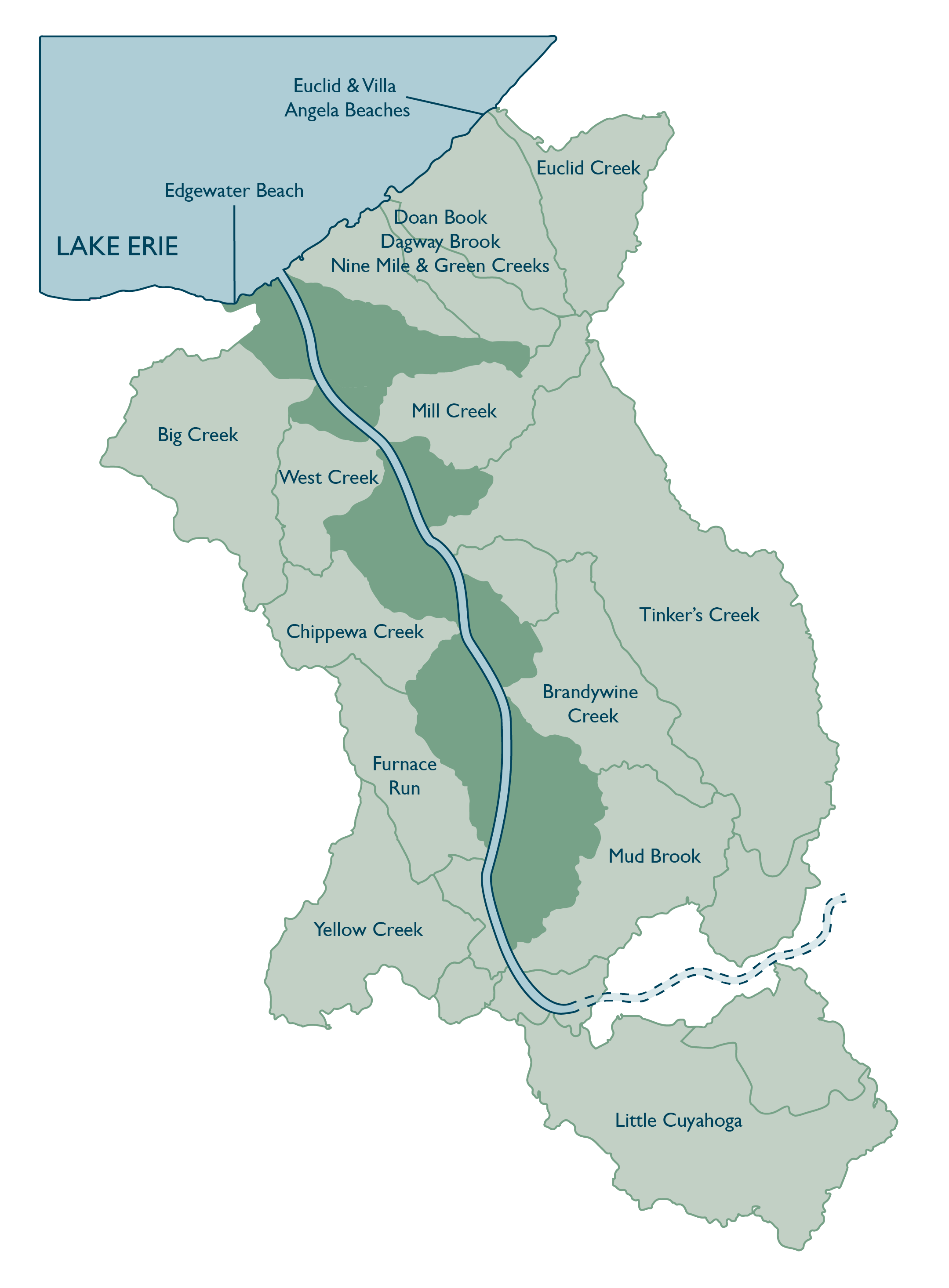
Bringing 1 river, 21 subwatersheds, and 10 miles of Lake Erie shore back to health!
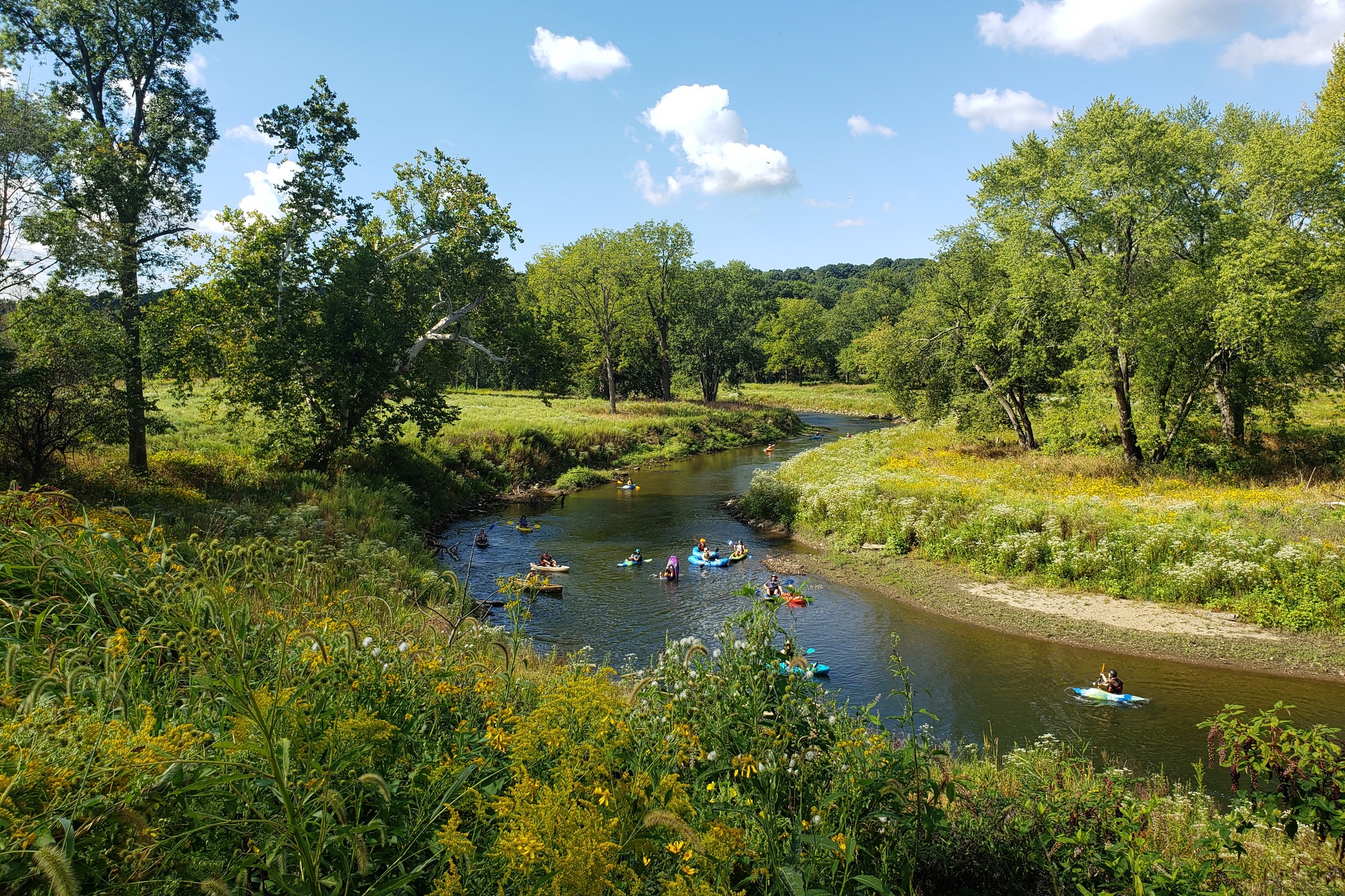
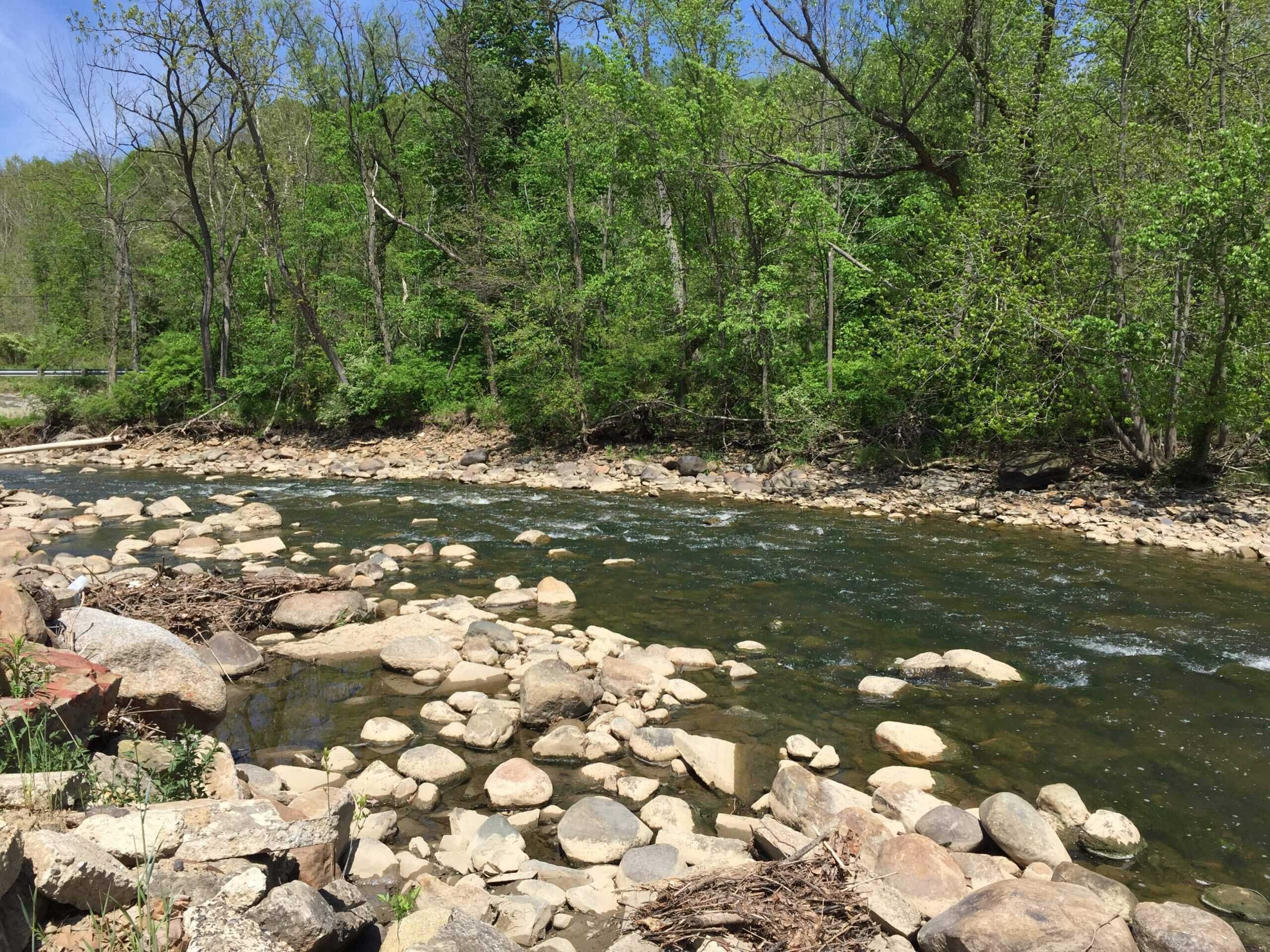
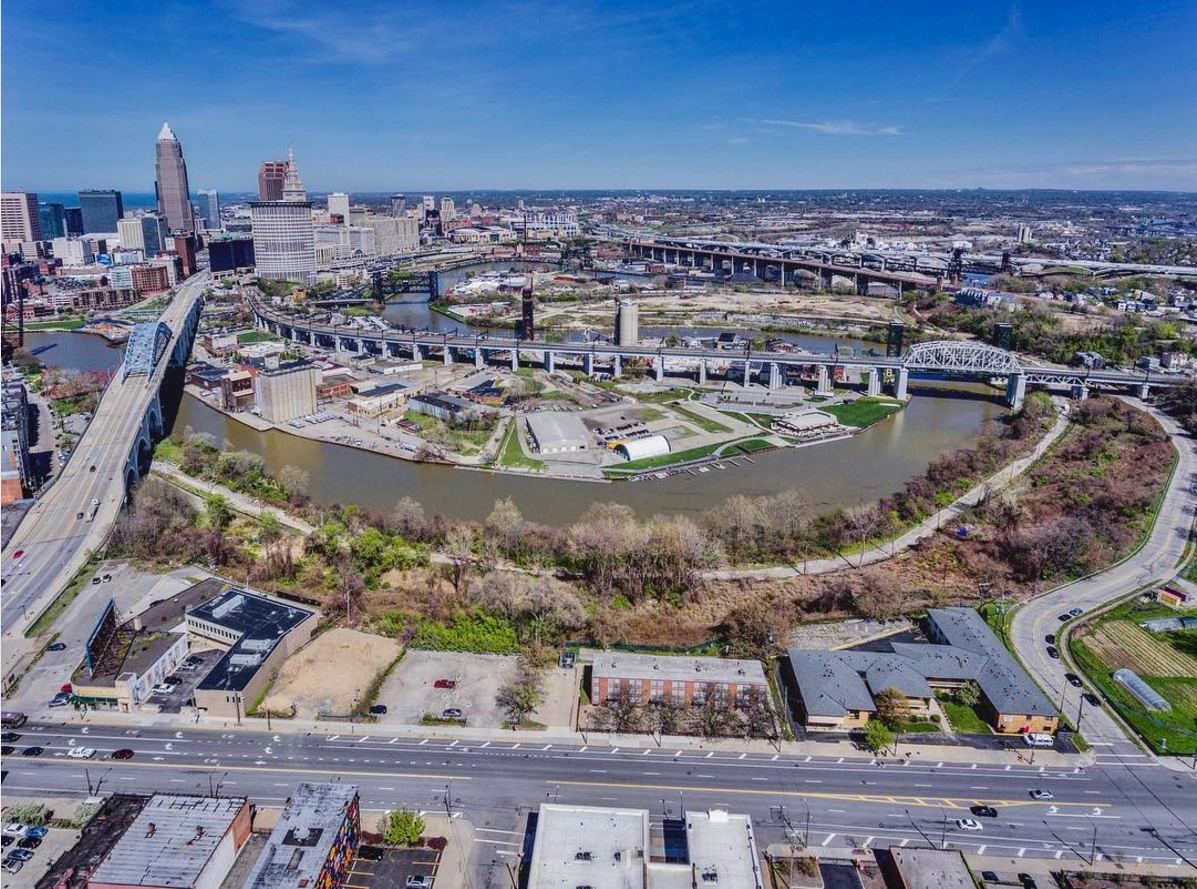
The lower 46.5 miles of the Cuyahoga River, including all the tributaries that drain to that section of river, and the adjacent Lake Erie shoreline and its direct tributaries, comprise the Cuyahoga River Area of Concern. The AOC begins at the head of the Gorge Dam pool in Akron/Cuyahoga Falls, ends at Lake Erie, and includes the shoreline from the western Cleveland border to Euclid Creek on the east.
The Cuyahoga River is one of the Great Lakes Areas of Concern (AOC) – waters in the U.S. and Canada that have experienced environmental degradation, fail to meet the objectives of the U.S.- Canada Great Lakes Water Quality Agreement (GLWQA,) and are impaired in their ability to support aquatic life or beneficial uses. The GLWQA required that each of the Areas of Concern develops a Remedial Action Plan (RAP) to identify the Beneficial Use Impairments (BUIs) and their causes, develop criteria for restoration, implement remedial measures, monitor the effectiveness of such measures, and confirm that restoration is achieved. There are currently 8 “De-listed” AOC’s throughout the Great Lakes Watershed, many more with their remedial measures (Management Actions) completed, and a plan forward to most to be delisted within the next decade pending resource allocations and successful associated BUI removals.
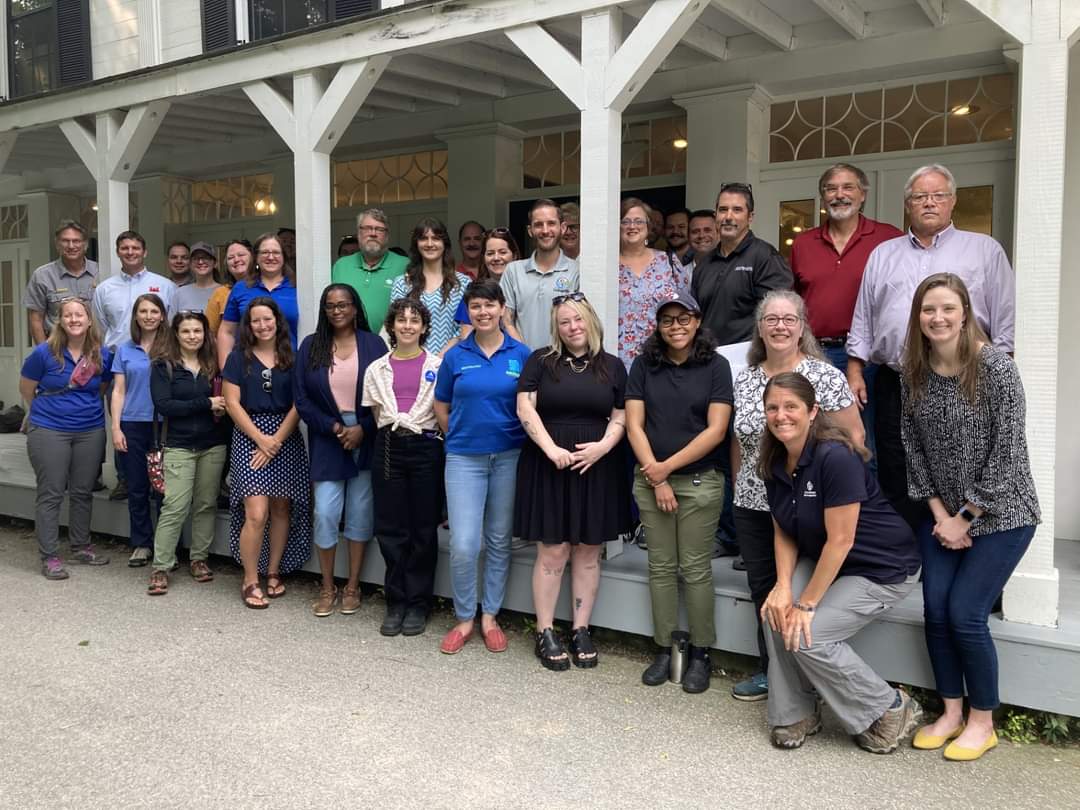
The Cuyahoga River AOC has 4 remaining Beneficial Use Impairments. (See the list at “The Plan and Targets.“) Six of the original ten impairments – Aesthetics, Public Access (locally-identified), Restrictions on Fish Consumption, Eutrophication, Fish Tumors, and Beach Closings – are deemed no longer to be impaired, and have been removed from the list. Ohio EPA and the Ohio Lake Erie Commission are the state agencies in charge of delisting Ohio’s four AOCs (Cuyahoga, Ashtabula, Black, and Maumee.) Each AOC has a local stakeholder committee. The Cuyahoga AOC Advisory Committee serves that purpose. The committee includes dozens of stakeholders – agencies, park systems, watershed stewardship groups, businesses, and individuals – involved in implementing the plan.
The AOC and You: What You Can Do to Help
Everyone in the Cuyahoga River watershed has a part to play in restoring and improving conditions in the AOC. Here are some suggestions:
• Advocate for environmental protection policies and funding, and encourage your community to participate in watershed stewardship efforts.
• Pick up your pet’s poop. Bacteria that runs into storm drains or right into streams can be part of the reason for beach closings.
• Plant native trees and shrubs along stream banks to prevent erosion and provide food and shelter to a wide array of plants and animals.
PROJECTS
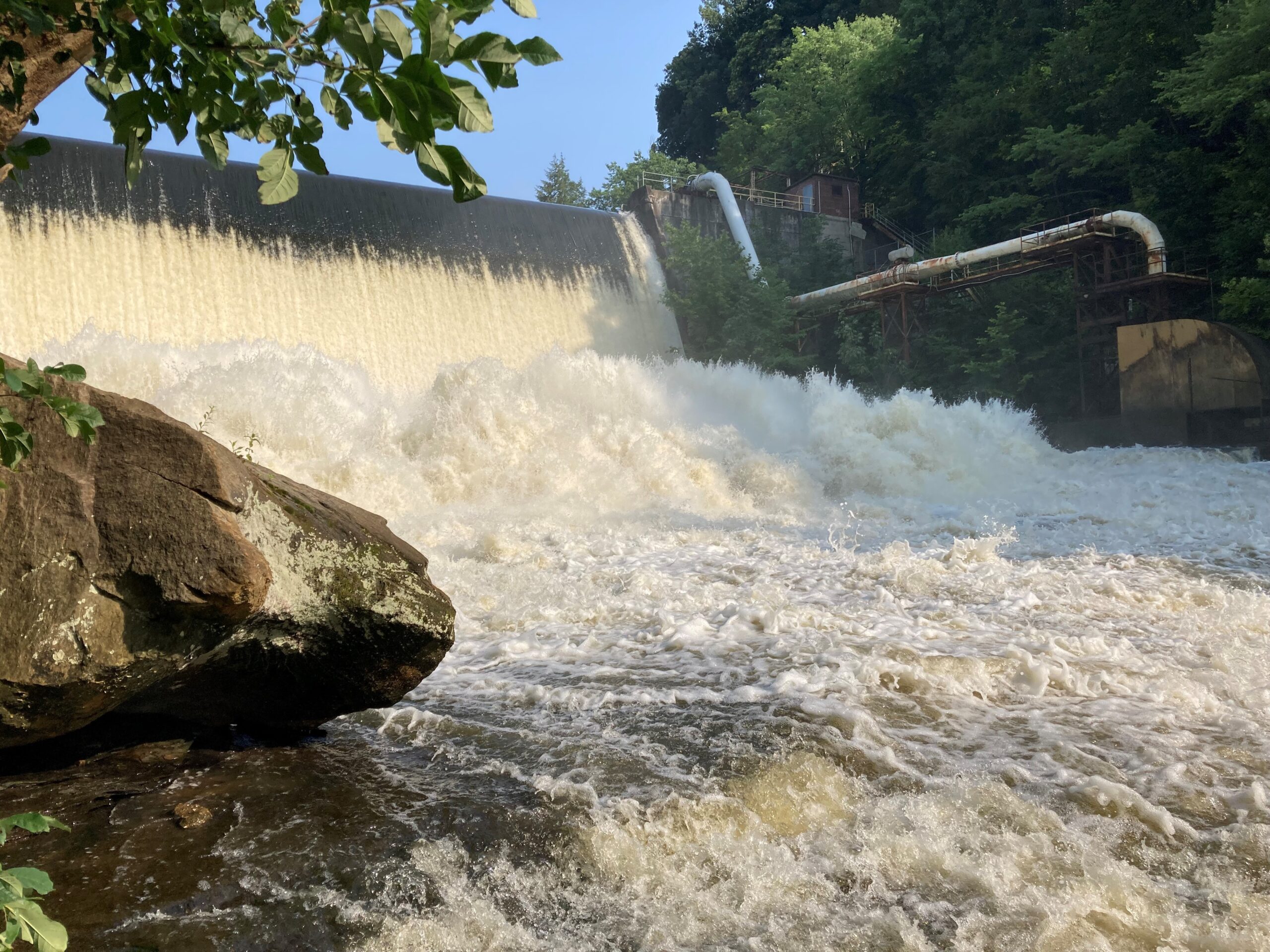
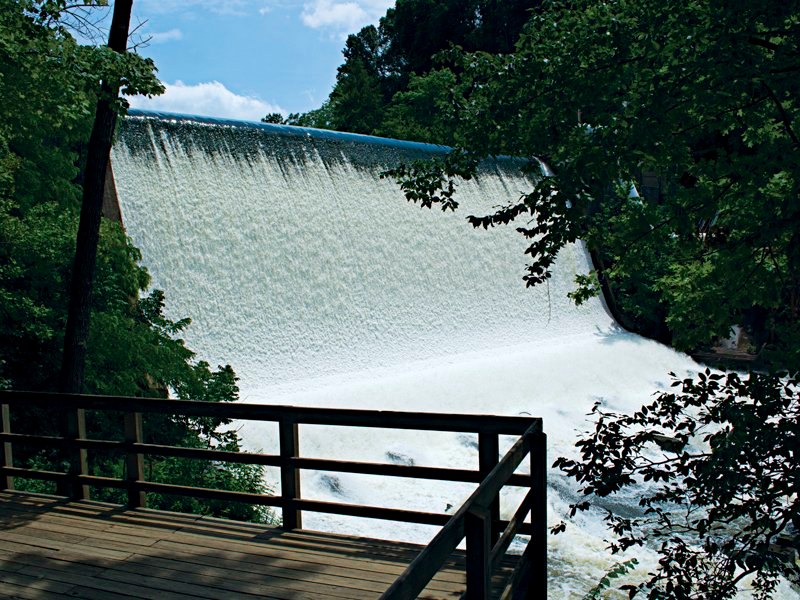
Akron’s Gorge Dam Project progresses as ‘Free the Falls’ updates are shared
Massive undertaking of sediment and dam removal moves forward with dredging, restoration plans.
Read more here: https://buff.ly/B1hr6ZU
PROGRESS
